First surf trip tips
 Fin Selector: your fins in 1 minute
Book a spot with waves for beginners, and if you're still learning, rent a foam board there instead of flying one. If you do bring a board, take the fins and wax off and pad it. Cover up in the sun, clean every reef cut right away, and surf like a guest.
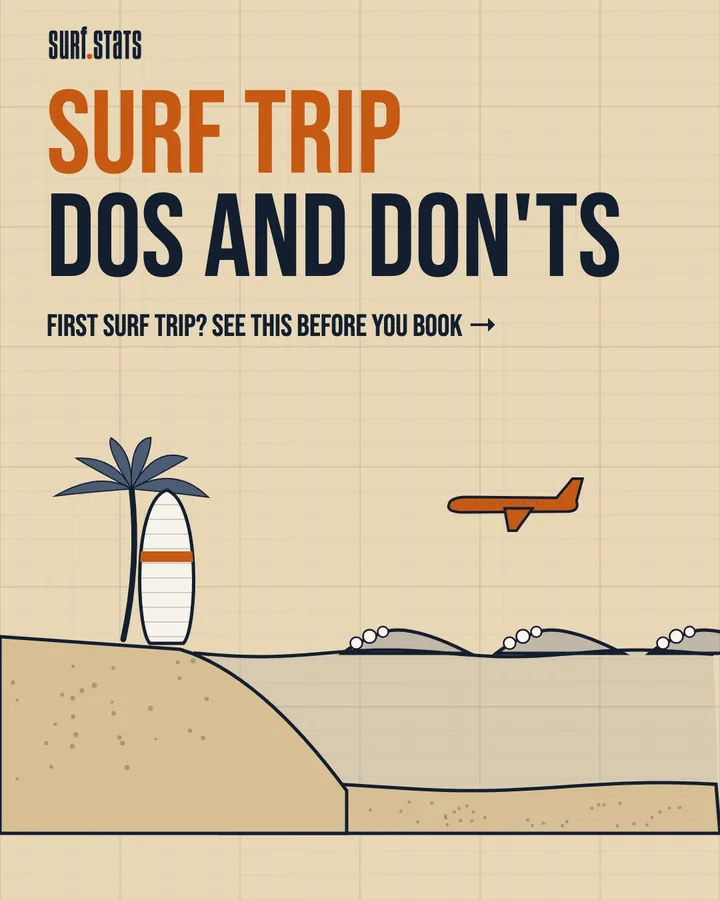
A first surf trip can go wrong before you paddle out: waves too big for you, fees for a board you didn't need, a dinged board, a burnt back or an infected cut.
These five first surf trip tips run in trip order, each one a don't and a do. They come from our surf trip dos and don'ts reel, and each rests on at least two independent sources: surf and travel media, lifeguards and lifesaving groups, health bodies and an airline's own packing guide. It's what they agree on, not science.
1. Booking a trip to waves above your level?
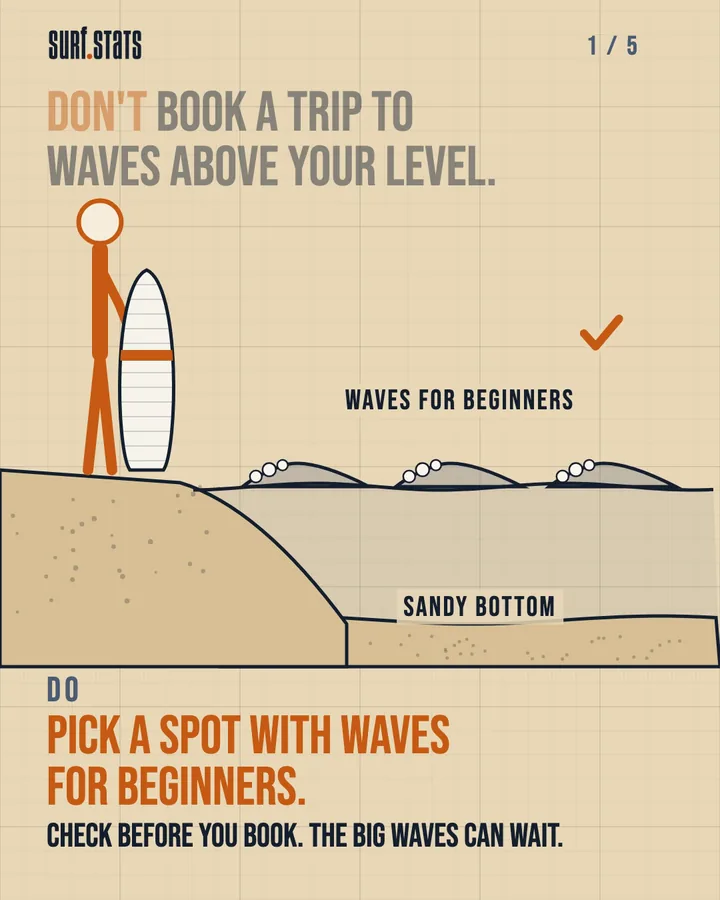
Don't book a trip to waves above your level. Pick a spot with waves for beginners.
Check before you book. The big waves can wait.
Surfline says to pick a spot that matches your ability, and that the famous spot can come later. The Del Mar lifeguards in California say not to pick a spot out of your ability range. The RNLI, the UK's lifeboat charity, says not to challenge yourself too early. Surfer Today tells beginners to choose a beginner beach and start in small waves.
Writing about a first surf trip, The Inertia calls picking the right place crucial. Carve, a UK surf magazine, says to do thorough research on where you're going before you leave, and that the more you know about its seasons, tides and swells, the more waves you'll get.
2. Paying to fly a board you don't need?
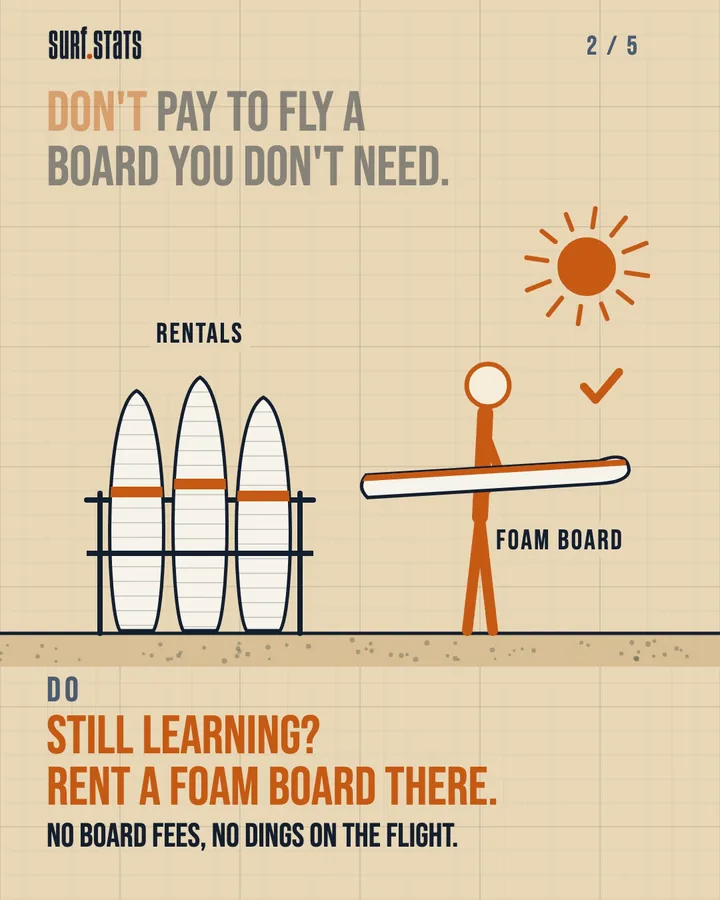
Don't pay to fly a board you don't need. Still learning? Rent a foam board there.
No board fees, no dings on the flight.
TAP Air Portugal's packing guide says many airlines charge a fee per board or board bag on each flight. The Inertia counts airline fees and possible loss or damage as the cost of bringing a board, and Surfer Today says airlines don't have a good reputation for carrying surfboards.
Surfer Today calls travelling with your board extremely expensive, says that's when rentals become a smart option, and says rental centres carry beginner foam boards. At a surf camp, The Inertia says, the gear is most likely included. It also suggests checking in with the surf school or shop before you go.
3. Packing your board with the fins on?
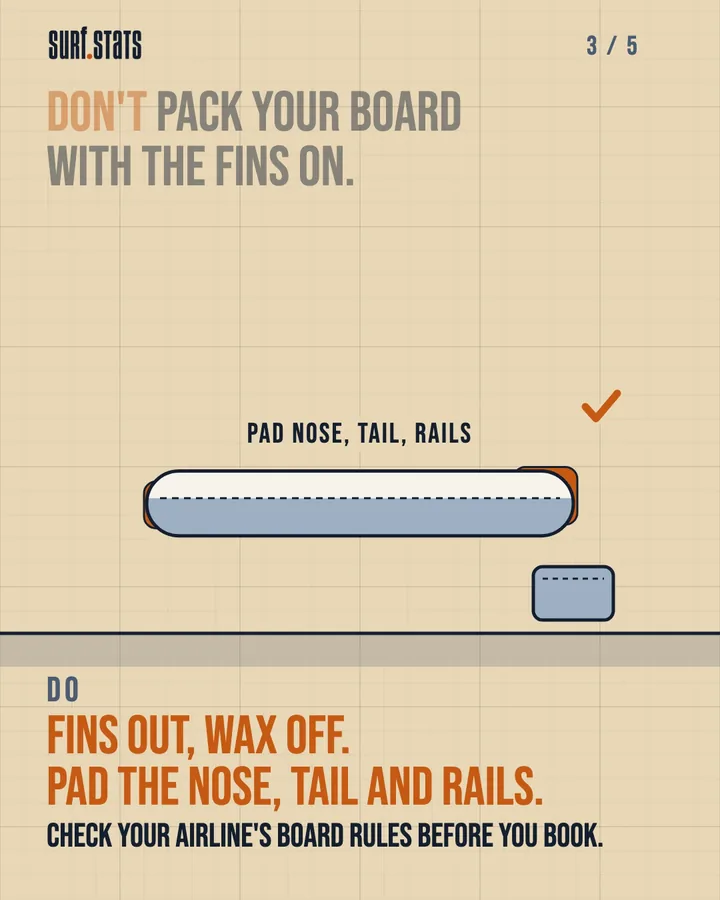
Bringing a board? Don't pack it with the fins on. Fins out, wax off. Pad the nose, the tail and the rails.
Check your airline's board rules before you book.
A flat board travels better: TAP says a flatter object travels more soundly. The packing list the sources share:
- Fins out. Surfer Today, The Inertia and TAP all say so. TAP says to wrap them in a towel and keep them with your board, with the fin key, and Surf Europe says fins kept outside their pocket in the bag can cause dings. Packing more than one board with fins that don't come out? TAP and Carve put the boards nose to tail.
- Wax off. Surfer Today says wax can melt in hot surf destinations. The Inertia and TAP also say to take the old wax off.
- Pad the nose, tail and rails. The Inertia says dings most commonly happen on the nose and tail. Surfer Today wraps the nose, tail and rails in foam pipe insulation.
- The leash. TAP says to keep hard items like the leash out of the board bag, and Surf Europe puts leashes in a pocket of the bag.
On the rules, The Inertia says to check the airline's surfboard policy before you book a flight, and TAP says to check with the airline for fees.
4. Surfing all day in the sun with no cover?
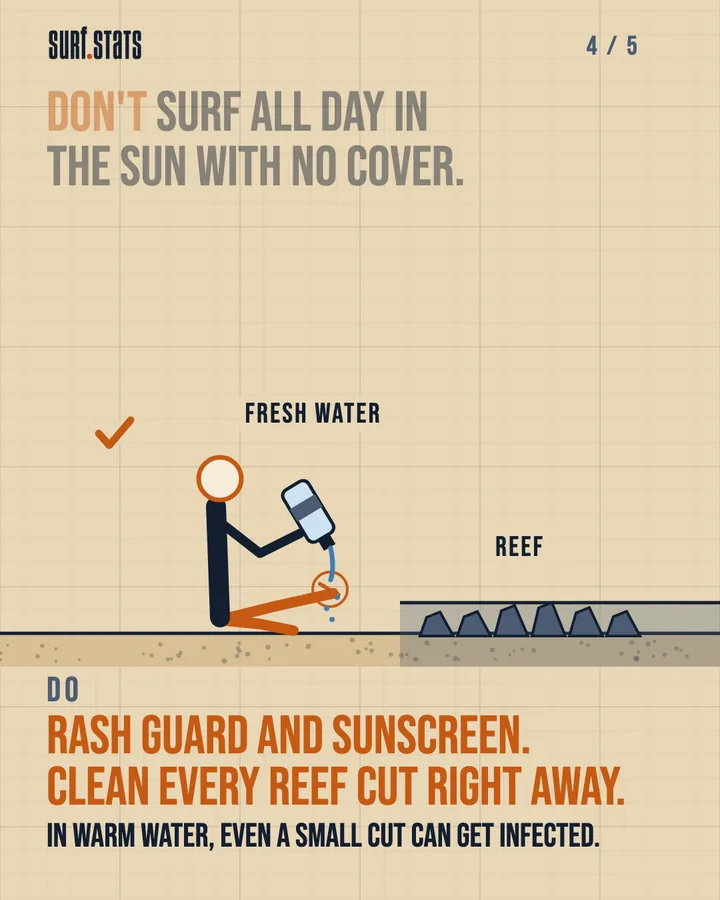
Don't surf all day in the sun with no cover. Rash guard and sunscreen. Clean every reef cut right away.
In warm water, even a small cut can get infected.
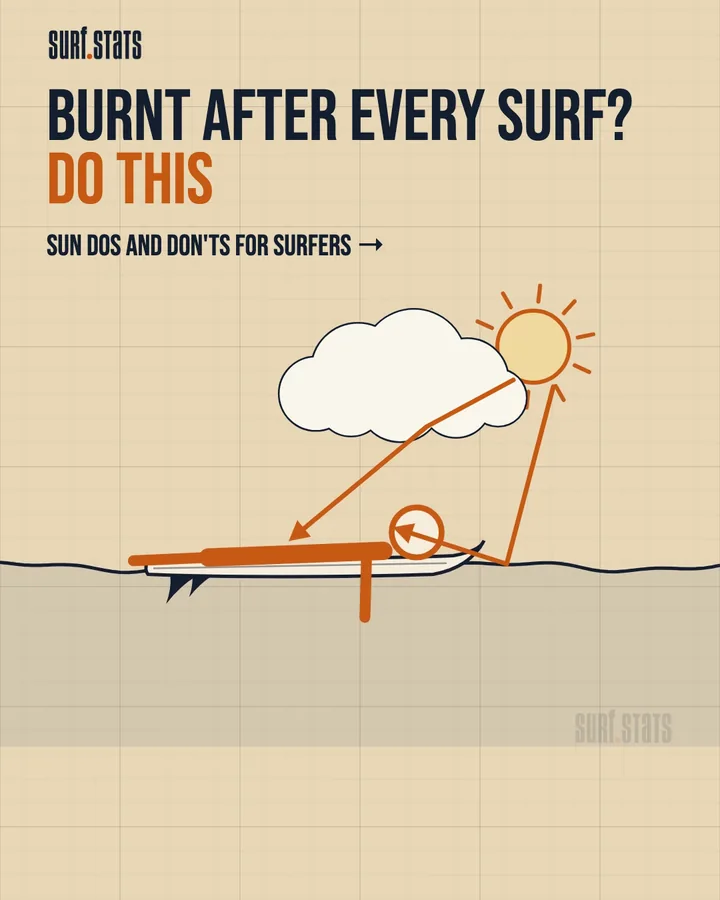
The sun. Cancer Council NSW says surfers run a higher risk of skin damage and skin cancer. It recommends long-sleeve sun-protective clothing and a water-resistant, broad-spectrum sunscreen, and suggests surfing early in the morning or later in the afternoon. Make it a rash guard, not a T-shirt: the Skin Cancer Foundation says a white T-shirt gives very little protection once it's wet. More in sun protection for surfers.
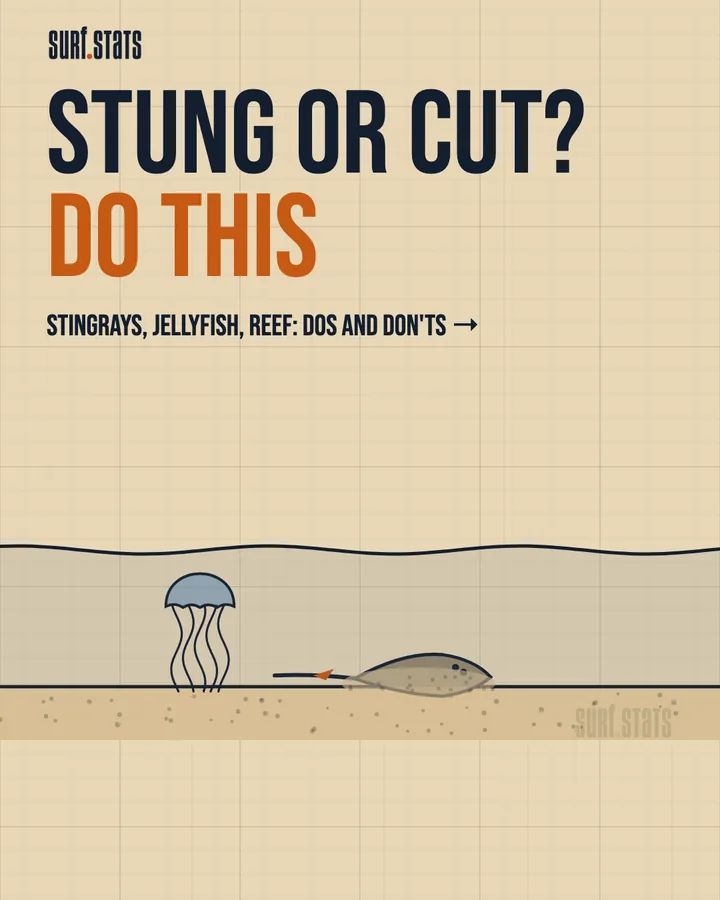
Reef cuts. Clean them as soon as you're out of the water:
- Fresh water and soap. Surfer Today, Surf Europe and a doctor writing in Surfing Life all say to clean the cut with fresh water, and Surfer Today points out that seawater is not sterile. The US CDC says to wash cuts right away and thoroughly with soap and clean running water.
- Keep it out of the sea. The CDC says to stay out of the sea with an open wound if you can, and to cover it with a waterproof bandage if it could get wet. Surfer Today says to wait for it to heal before you go back in.
Why warm water matters: Surfer Today says that in tropical destinations even a small cut can turn into a serious infected wound, and Surf Europe says infection is likely in the tropics.
5. Surfing there like it's your home spot?
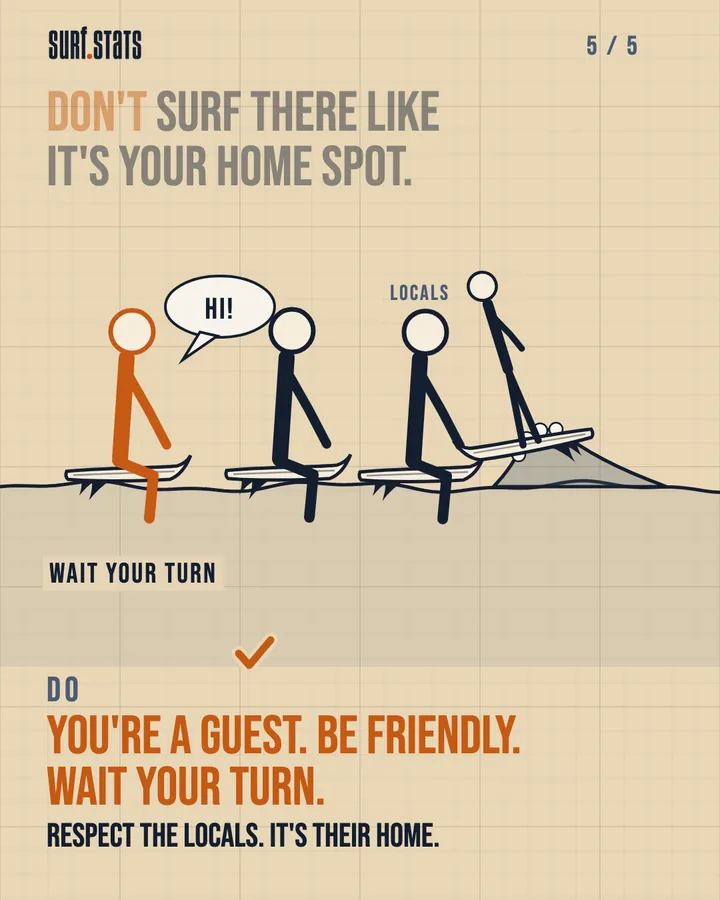
Don't surf there like it's your home spot. You're a guest. Be friendly, and wait your turn.
Respect the locals. It's their home.
Surfer Today says to respect the locals when you travel, calls the spot their home and reminds you that you're a visitor. The Del Mar lifeguards say the locals surf the spot every day, and to keep things friendly when you visit. What being a good guest looks like:
- Wait your turn. Matador Network says it in those words, and to let the locals set the rhythm.
- Be friendly. Matador says to talk to the person next to you when you paddle in.
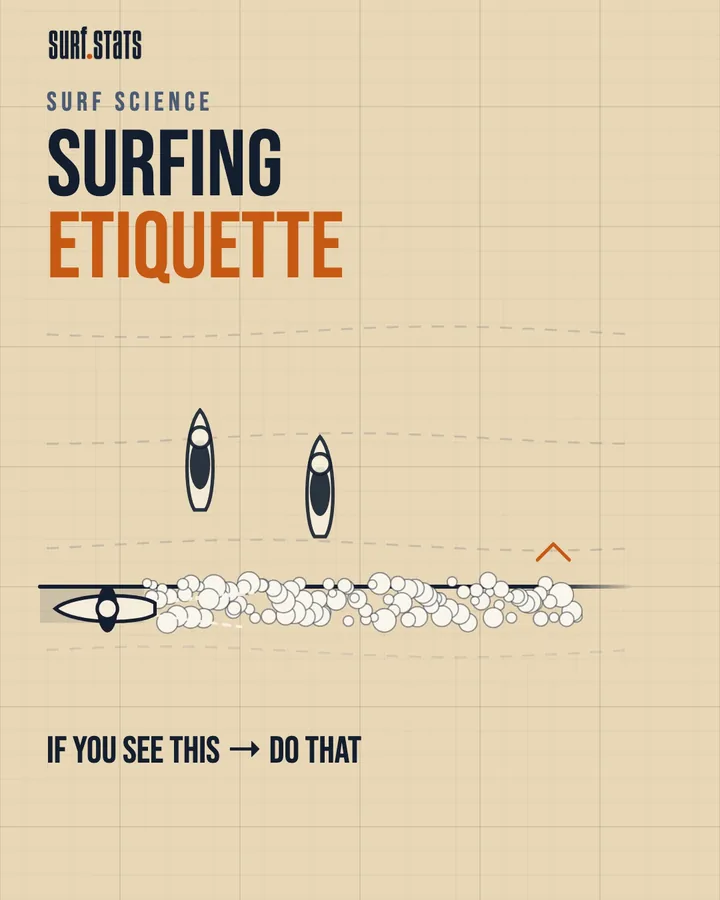
For who gets which wave, see surf etiquette.
Pick the right spot. Pack smart. Be a good guest.
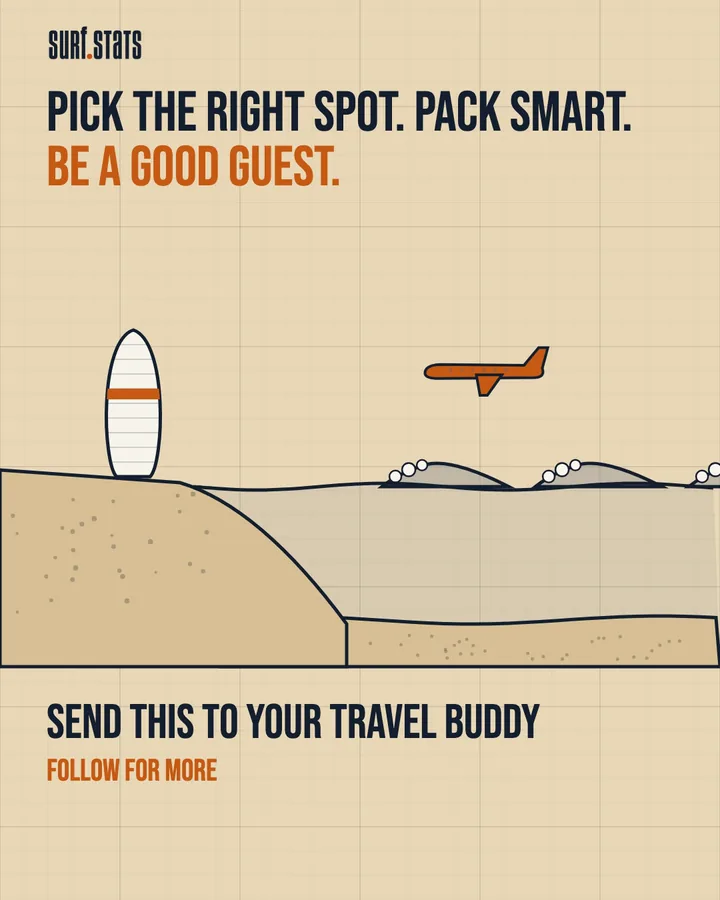
That's the whole trip in three lines. Send this to your travel buddy.
Quick checklist
- Waves for your level. Check before you book.
- Still learning? Rent a foam board there.
- Bringing a board? Check the airline's board rules first.
- Fins out, wax off, nose, tail and rails padded.
- Rash guard and water-resistant sunscreen.
- Reef cut: fresh water and soap right away, then out of the sea or covered.
- You're a guest. Be friendly, and wait your turn.