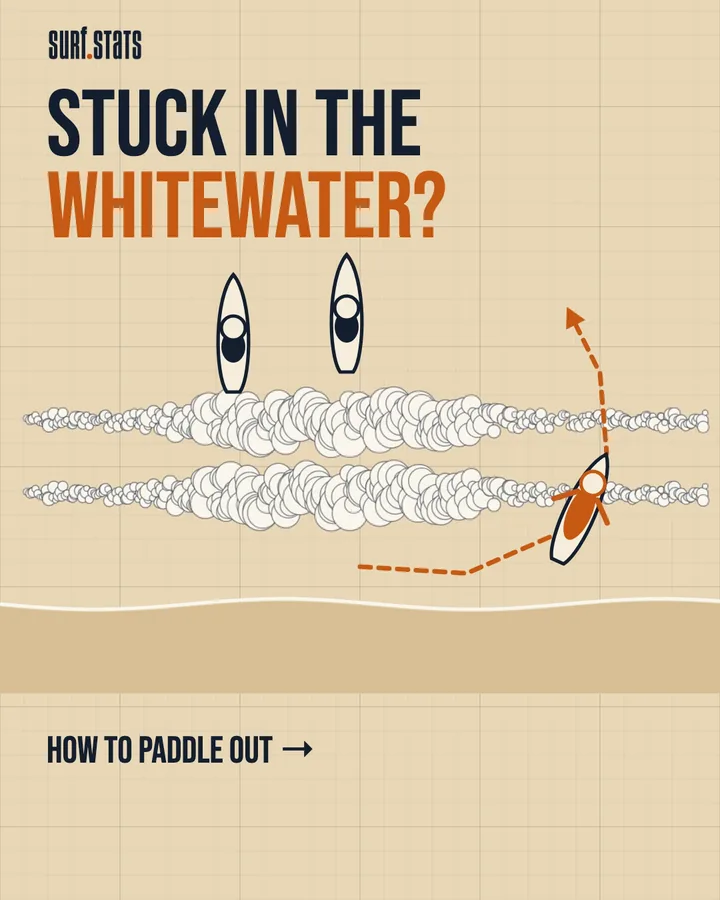
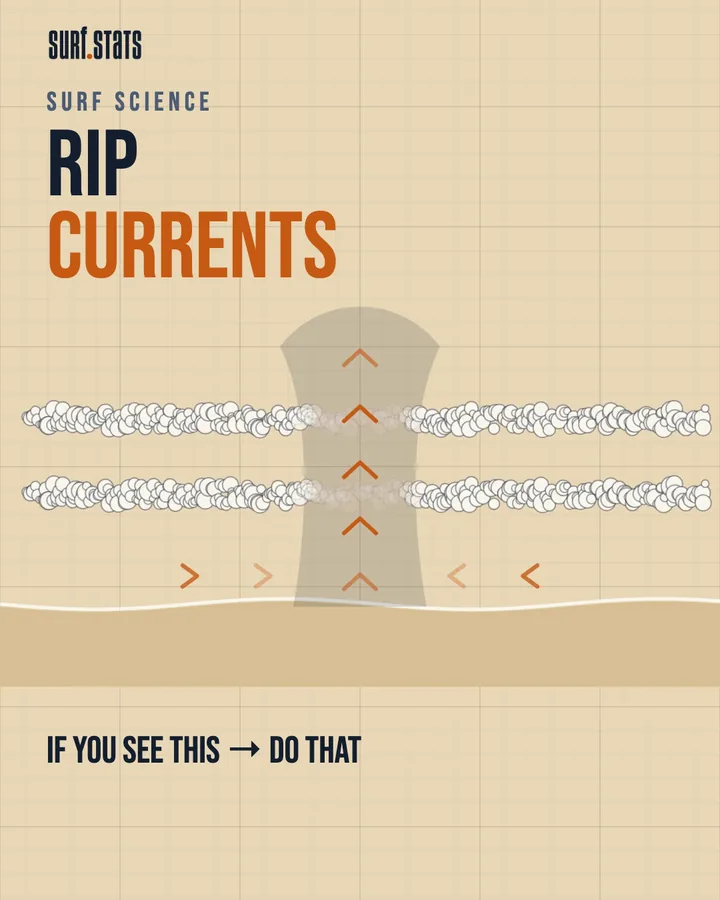
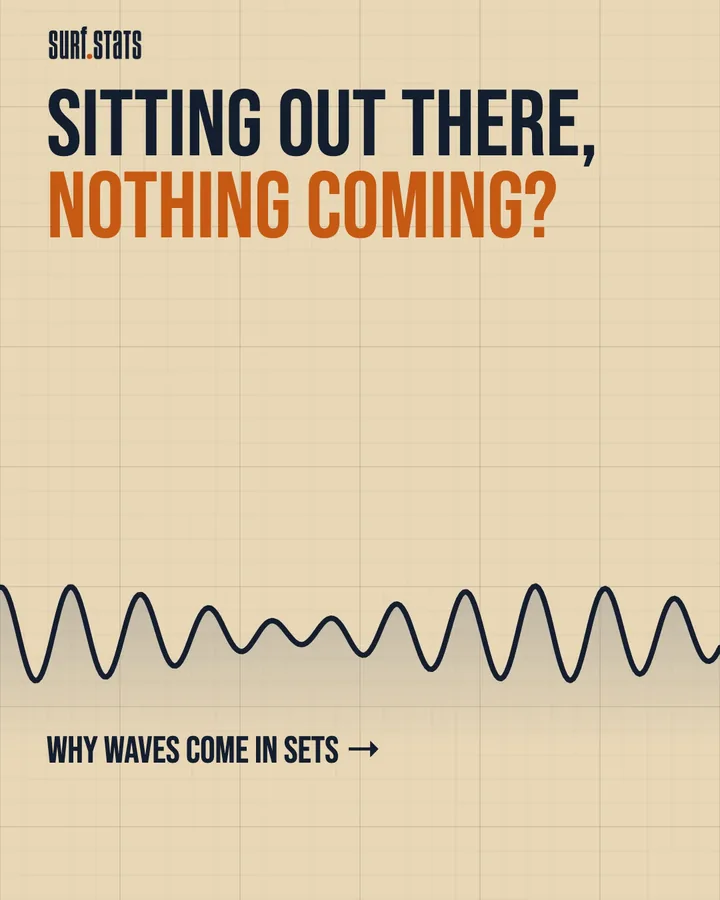
How to get back to shore
 Fin Selector: your fins in 1 minute
Let a wave do the work: catch one in, or just the whitewater, lying down and already moving. Where waves slam on the sand, wait outside the break and go in behind the last wave of a set. Walking out, keep looking back and get up the sand fast.
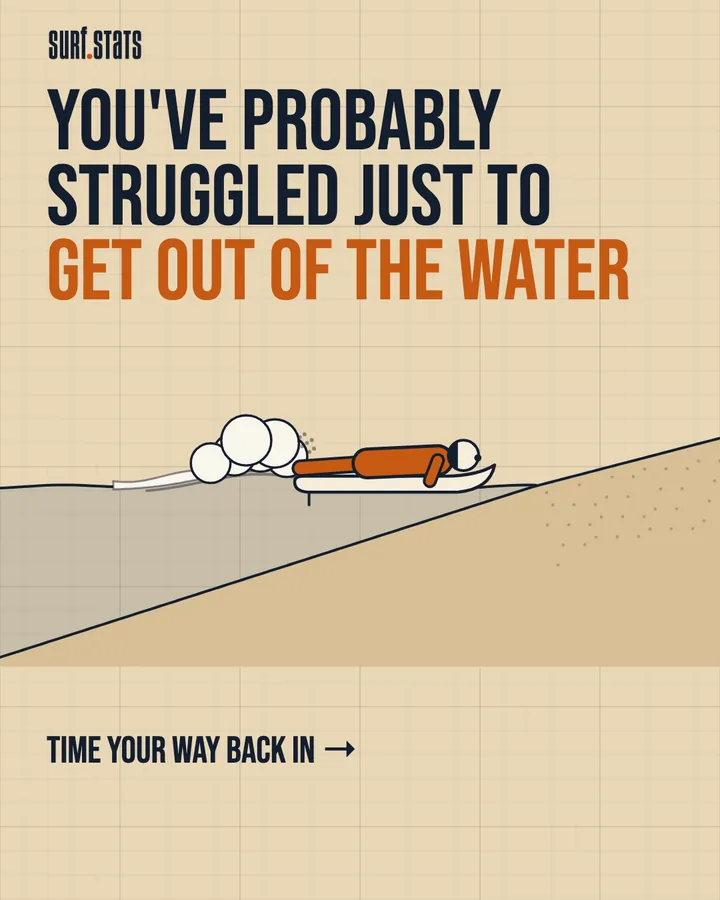
You've probably struggled just to get out of the water at the end of a session. Getting back to shore can be hard work, and sometimes the conditions make it harder. Surfer Today's advice is to keep some energy in reserve for the trip back in, and a diving guide to exiting through surf makes a related point: rest first, so you're fresher for the effort of getting out.
Below are four problems on the way back to the beach, and what to do about each, in the order you meet them. They come from our coming in reel, checked against a lifesaving manual, government ocean-safety pages, and surf, diving and paddling media. This is about the way in only; for the way out, see how to paddle out.
1. Fighting your way back in?
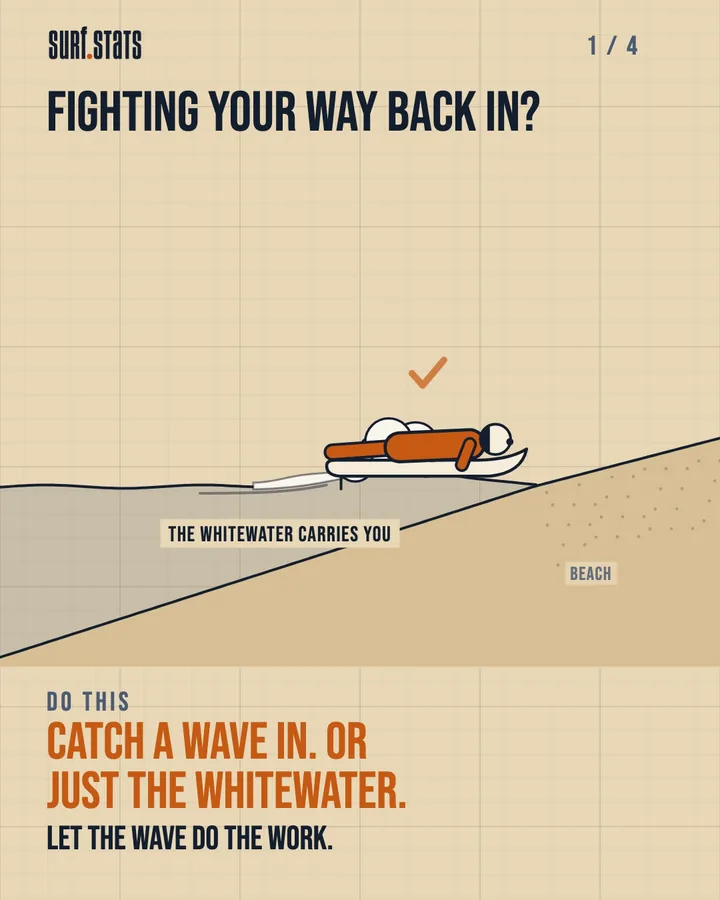
Try this: catch a wave in. Or just the whitewater. Let the wave do the work.
You don't have to get back to shore on arm power alone. A wave moving toward the beach can carry you there. Surfing Handbook notes that experienced surfers often finish a session by riding the whitewater in, lying on their belly. A lifesaving manual from Surf Life Saving Queensland calls catching a wave a fast way back to shore, though it takes skill and care to control.
You don't need to stand up, and you don't need a good wave. The whitewater, the broken foam rolling toward the beach, will do.
This tip is about being tired, not about being caught in a current. If the water is pulling you away from the beach, read how to spot and escape a rip current instead.
2. Whitewater throwing your board around?
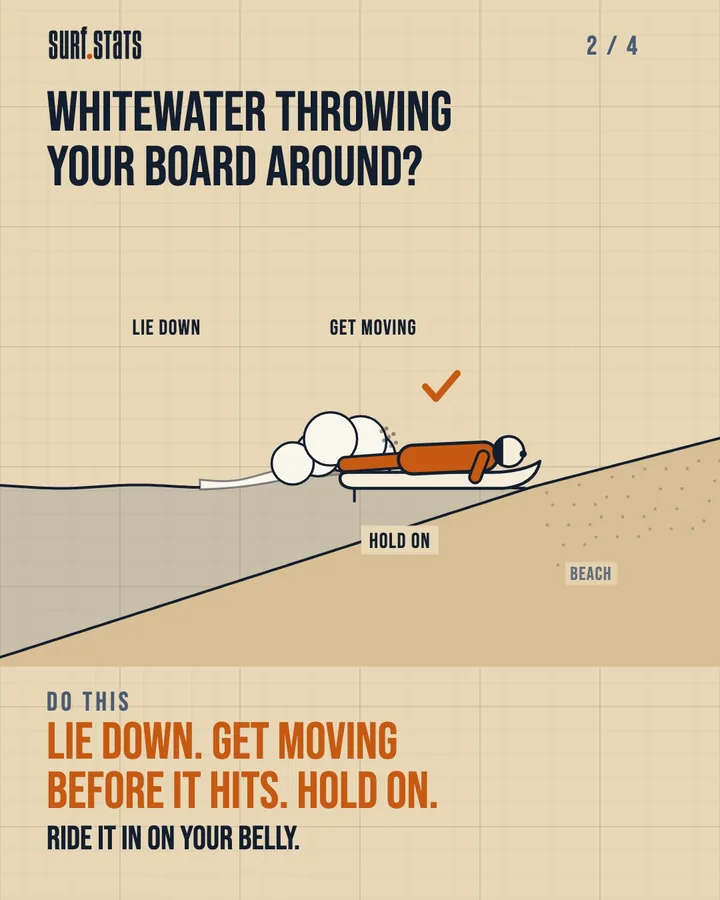
Try this: lie down. Get moving before it hits. Hold on.
If you're sitting still when the whitewater reaches you, it will throw the board around. Surfing Handbook's advice is to build a little speed toward the beach before the whitewater gets to you, and the lifesaving manual says the same about keeping your forward speed as you catch a wave.
So the order matters when you're sitting out the back:
- Lie down on the board.
- Get moving toward the beach before the whitewater arrives.
- Hold on as it hits and starts pushing you.
Ride it in on your belly. Stay lying down while the foam carries you toward the shallows.
3. Waves slamming on the sand?
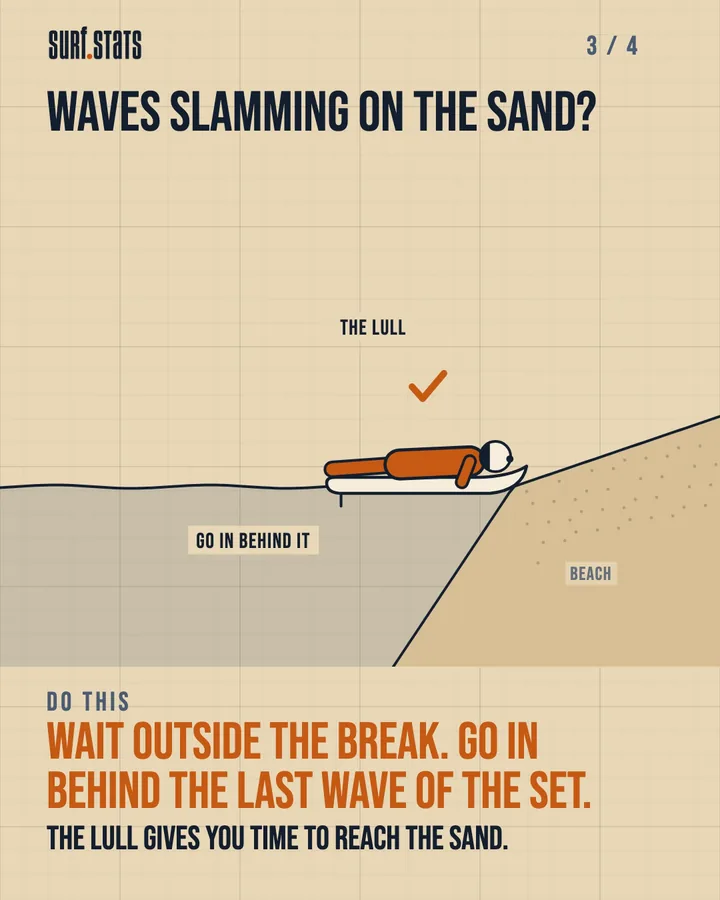
Try this: wait outside the break. Go in behind the last wave of the set.
Some beaches have a shore break: waves that break right on the sand instead of further out. Hawaii's state ocean-safety agency says its force can knock people off their feet in the water and throw them into hard sand, and the US National Weather Service warns that waves breaking on the sand can cause spinal injuries. This is where timing matters.
Waves come in sets, with calmer spells called lulls in between (more in why waves come in sets). Use that rhythm:
- Wait outside the break, out where the waves aren't breaking. Scuba Diving magazine's advice for coming in through surf is to stop outside the surf line and let a few sets go by until you can feel their rhythm.
- Go in as a set fades, so you have the whole lull to reach the beach. Paddling Magazine's advice for landing a kayak is the same idea: pick the time and the path where the waves are weakest.
- Stay behind the last wave, not in front of it. Scuba Diving says to stay behind the crest. A windsurfing magazine adds that riding a wave out onto dry land is how you get hit by the shore break; ride the back of it in.
The lull gives you time to reach the sand. And if it's really dumping, look for a better place to come in: the windsurfing magazine notes that a spot often has areas with more or less shore break, and Paddling Magazine warns that some steep beaches are not suitable for landing at all.
4. Walking out of the water, back to the waves?
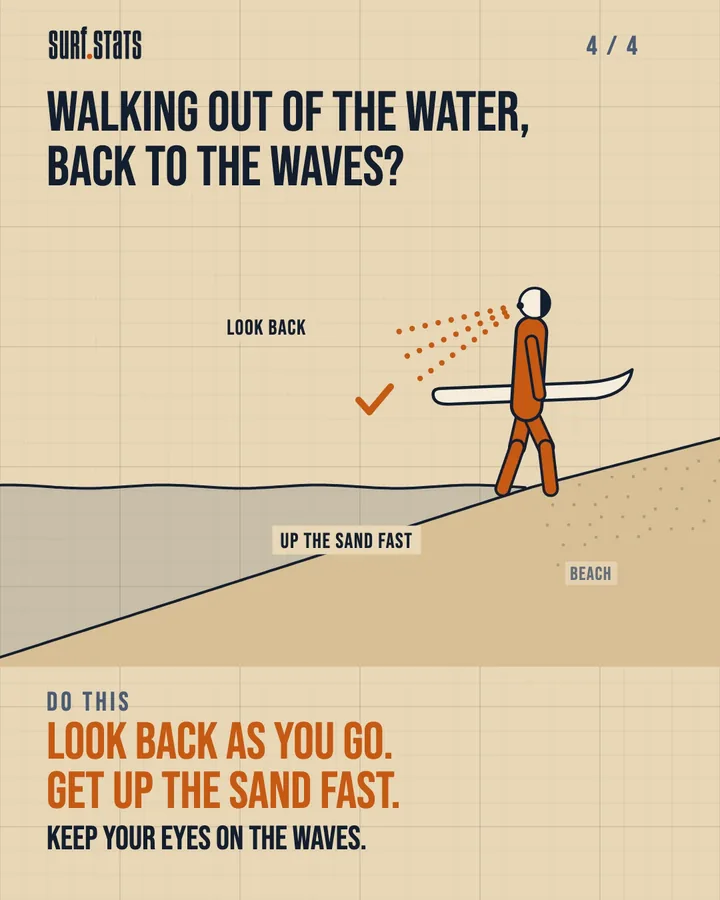
Try this: look back as you go. Get up the sand fast.
The trip isn't over when your feet touch the bottom. A wave can still knock you over in the shallows, and walking out with your back to the sea means you won't see it coming.
- Don't stand up too early. Scuba Diving warns divers against standing up too soon, even when the water is only knee-deep, and the ocean-swim coaching site OceanFit tells swimmers to stay down until a hand can reach the sand, and only then stand.
- Look back as you go. OceanFit tells ocean swimmers that looking back as they swim through the waves matters as much as looking ahead, so they always know where the waves are. The weather site WeatherBug's advice is never to stand near the shore with your back to the ocean.
- Get up the sand fast. Scuba Diving says to get out of the water quickly with your eyes on the waves, OceanFit says to wade and then run up the beach, and the windsurfing magazine says to walk quickly up the beach.
Keep your eyes on the waves until you're up on dry sand.
Catch one in. Time the lull.
The short version: let a wave or the whitewater carry you, and where the waves slam on the sand, wait for the lull and go in behind the last wave. Send this to a friend who gets stuck coming in.
Quick checklist
- Tired? Catch a wave in, or just the whitewater.
- Sitting when the whitewater comes? Lie down, get moving toward the beach, then hold on.
- Ride it in on your belly.
- Shore break? Wait outside the break, then go in behind the last wave of a set.
- Really dumping? Come in where the waves break softer.
- Don't stand up too early. Look back as you walk out, and get up the sand fast.