Why are the waves so big in Nazaré?
 Fin Selector: your fins in 1 minute
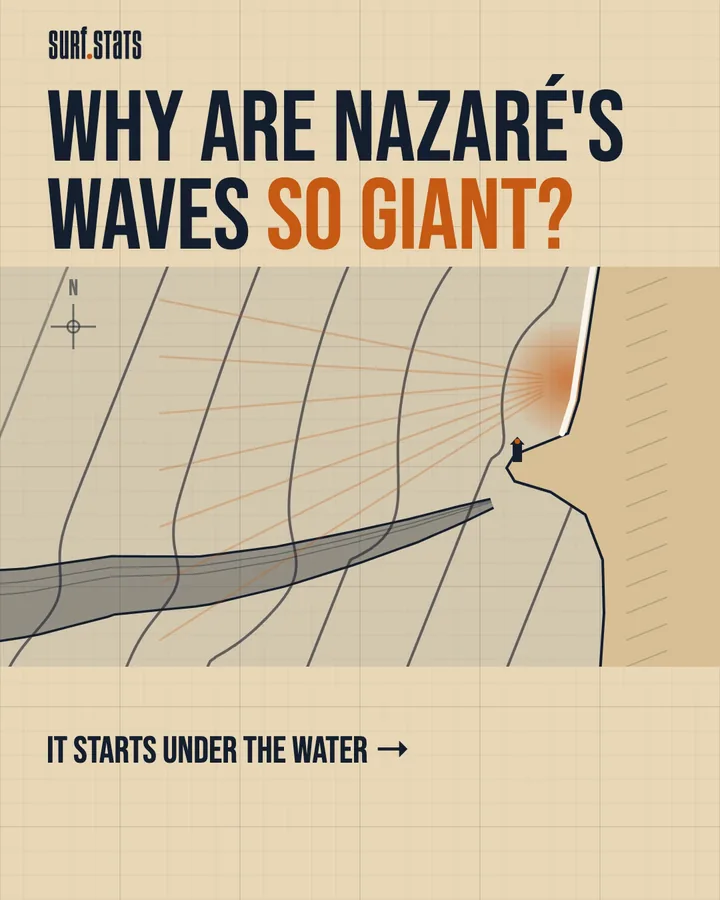
It starts under the water. A giant underwater canyon ends right off the shore next to a shallow seabed. The depth change turns the swell and focuses it on one beach. A new study found long swell bounces off the canyon's steep wall. And waves from different directions add up into tall peaks. It takes big, long-period swell from the west to northwest.
Why are the waves so big in Nazaré? A big swell is part of it, but it isn't the whole story. What makes Nazaré different starts under the water, on the seabed off its coast.
The answer comes in four parts: a canyon, refraction, reflection, and waves adding up. Then there's the swell itself, which explains why Nazaré isn't giant all year. They come from our Nazaré reel, checked against a new field study at Nazaré, an older study of another underwater canyon, oceanographers, and science and surf media.
One thing up front. A lot of explanations say the canyon channels the swell to the beach. A new study that measured the waves says something different, so this post sticks to what both explanations agree on and tells you where they part ways.
1. What's under the water?
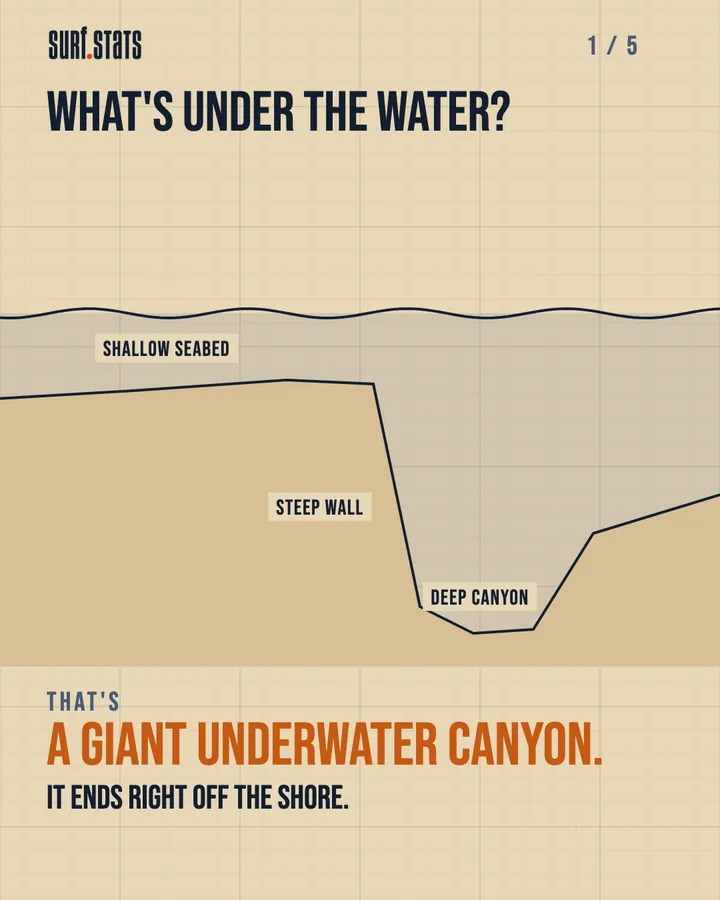
The short version: a giant underwater canyon. It ends right off the shore, with a shallow seabed beside it.
Off Nazaré, a deep underwater canyon cuts through the seabed and reaches very close to the coast. NazareWaves, a local big-wave site, calls it one of the largest underwater canyons in the world, Surfer Today one of Europe's largest, and the new study one of the largest that reach close to a shore.
Right next to it is the continental shelf, a much shallower seabed. The canyon ends just off the headland at Nazaré. The beach the big waves hit, Praia do Norte, sits to the north of it, in front of that shallow shelf.
So two very different depths sit side by side, close to the beach. That's the starting point for everything below.
2. What does the canyon do?
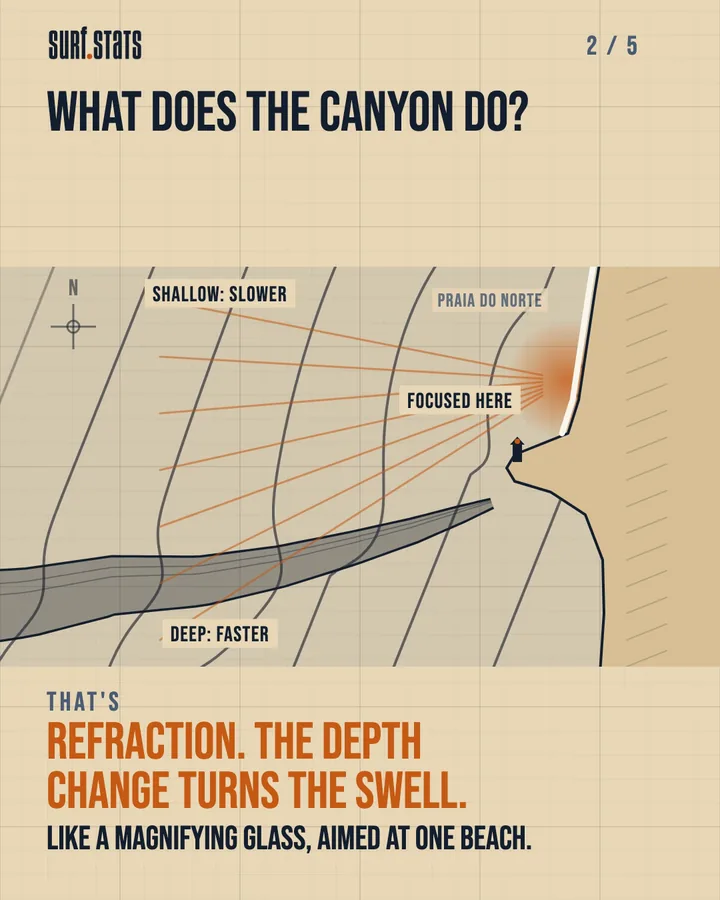
The short version: refraction. The depth change turns the swell. Like a magnifying glass, aimed at one beach.
Swell is slower over the shallow shelf than over deep water. When part of a swell line is over deep water and part is over shallow water, the shallow part slows down and the line turns. That's refraction. Portugal's navy hydrographic office describes it the same way, as a change in the swell's direction and speed (reported by Surfer Today).
At Nazaré that turning doesn't spread the energy out. It gathers it. Sally Warner, a physical oceanographer writing in The Conversation, likens it to a magnifying glass concentrating light, and, according to NPR, an ocean wave expert compares the canyon's effect to a lens. The new study found the focused swell landing on Praia do Norte.
The sources don't agree on exactly which way each swell line bends over the canyon, so we leave that part out. What they agree on: the depth change turns the swell and focuses it on one beach.
3. And the canyon wall?
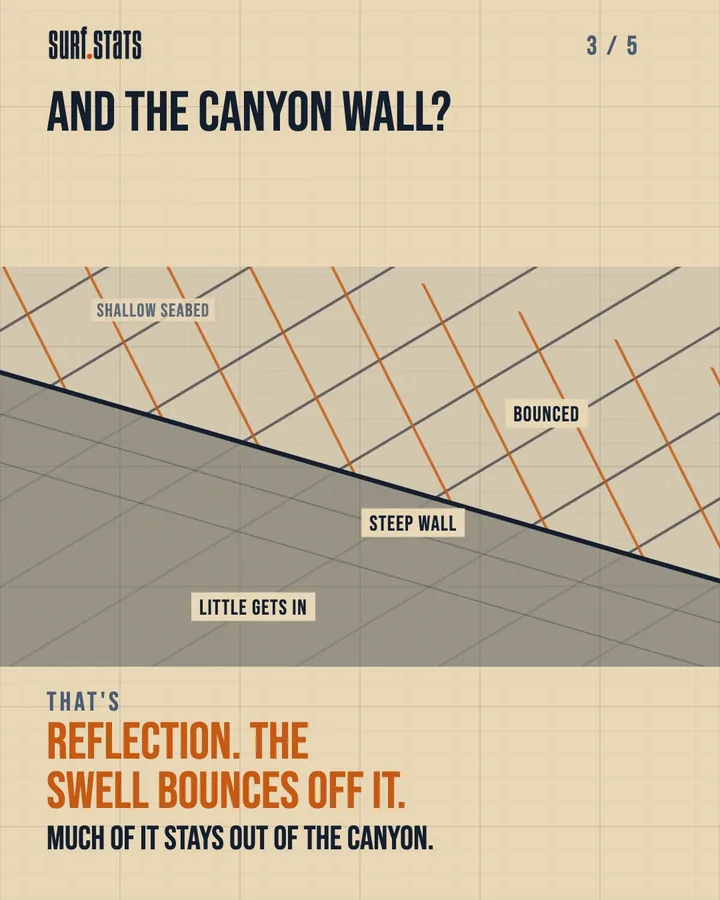
The short version: reflection. The swell bounces off it. Much of it stays out of the canyon.
This is the part the new study measured. Hope and colleagues, a team from research institutes and universities in Europe and the US, measured the waves at Nazaré with buoys and stereo cameras. They found long swell bounces off the canyon's steep wall, and little of it gets into the canyon itself. The study names the popular explanation, that the waves are channelled through the canyon, and says what it found instead: the waves are refracted and reflected along the canyon.
The bounce isn't new physics:
- Another canyon shows it too. A study at Scripps Canyon in California found most of the wave energy held on the canyon's offshore rim, with only a small part crossing it.
- Walls make waves bounce. Years before the new study, Live Science passed on a biological oceanographer's explanation: waves running into high walls, like a canyon's, bounce off in other directions.
"Little" isn't "none". The study notes some waves may still pass over the canyon close to the shore.
4. Why are the peaks so tall?
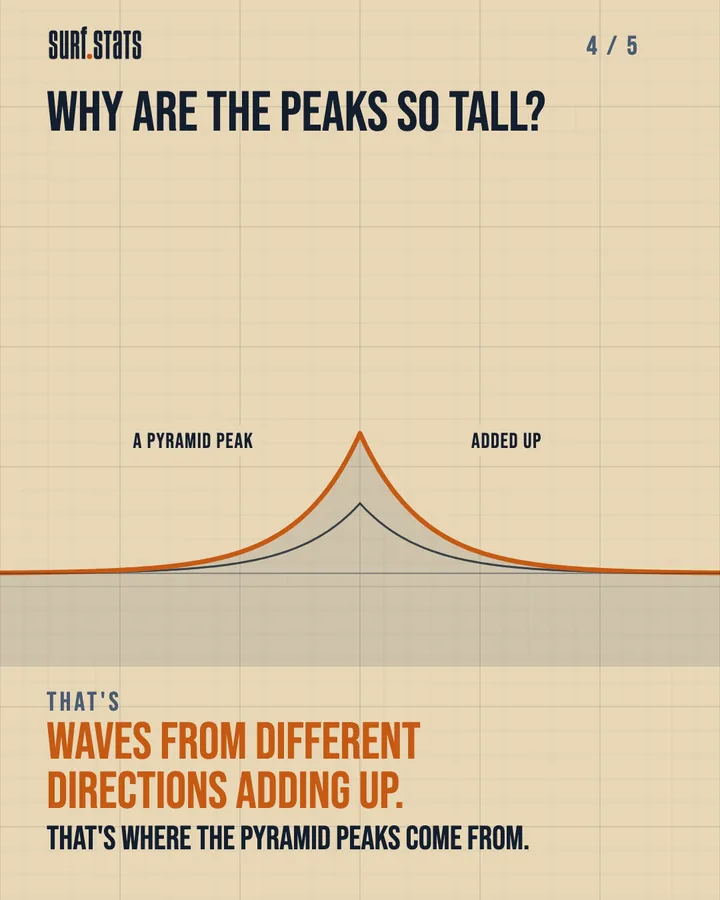
The short version: waves from different directions adding up. That's where the pyramid peaks come from.
Near the beach, swell arriving from different directions meets and adds up into a taller peak. The new study describes the bounced swell interfering with the incoming swell, and the Live Science piece explains it the same way: the incoming wave briefly takes on the energy of the reflected one.
Older accounts tell it as two waves, one coming from the canyon and one that came across the shallow shelf, meeting in front of the beach. Either way, the waves come from different directions, and that's what builds the famous peaks. The study describes them as towering pyramids, and NazareWaves calls it a triangle.
5. Why isn't it giant every day?
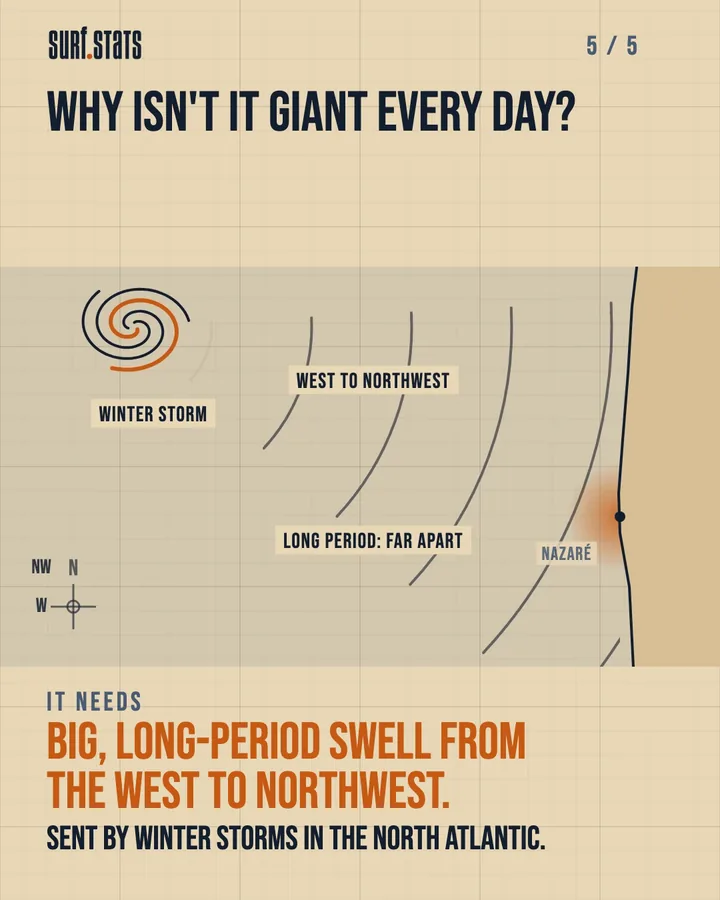
The short version: it needs big, long-period swell from the west to northwest. Sent by winter storms in the North Atlantic.
The canyon is there all year. The giant days need the right swell to arrive:
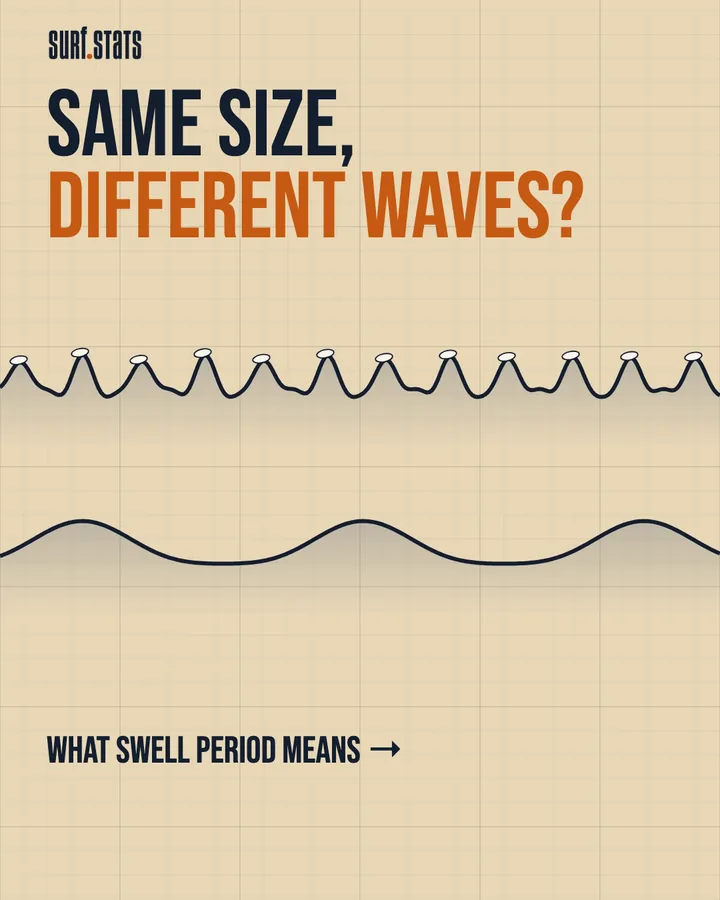
- Big and long-period. The new study, Surfer Today and NazareWaves all tie Nazaré's big days to long-period swell. New to period? See what swell period means.
- From the west to northwest. That's the range the study found focuses best. Surfer Today gives the same west to northwest, and NazareWaves names northwest.
- From storms far away. That swell is made by storms out in the North Atlantic, in autumn and winter.
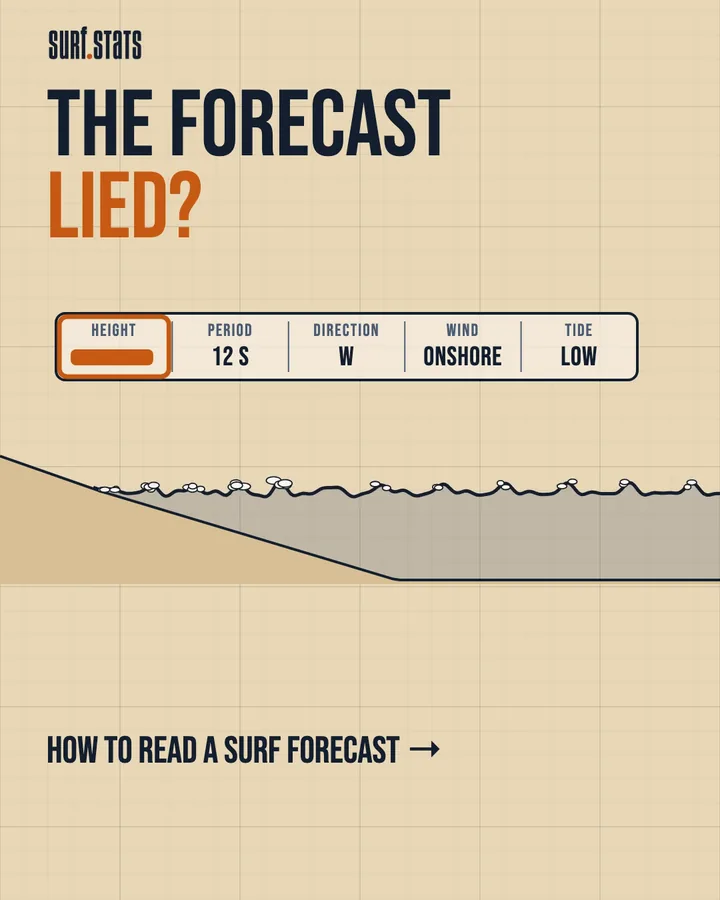
If you want to see those three things on a chart, our guide on how to read a surf forecast shows where swell size, period and direction sit.
Canyon, refraction, reflection. Then the waves add up.
That's the whole story in one line. A big swell alone doesn't explain Nazaré. The seabed in front of it does the rest.
Quick checklist
- A giant underwater canyon ends right off the shore, next to a shallow seabed.
- Refraction: swell is slower over the shallow shelf, so it turns and focuses on one beach.
- Reflection: a new study found long swell bounces off the canyon's steep wall, and little gets in.
- Waves from different directions meet and add up into pyramid peaks.
- It takes big, long-period swell from the west to northwest, from North Atlantic storms in autumn and winter.